Why AI Systems Are Not Recommending Your Site
If AI systems can access your site but still do not recommend it, there are specific structural, authority, and content reasons why. This guide explains the most common causes and how to address each.
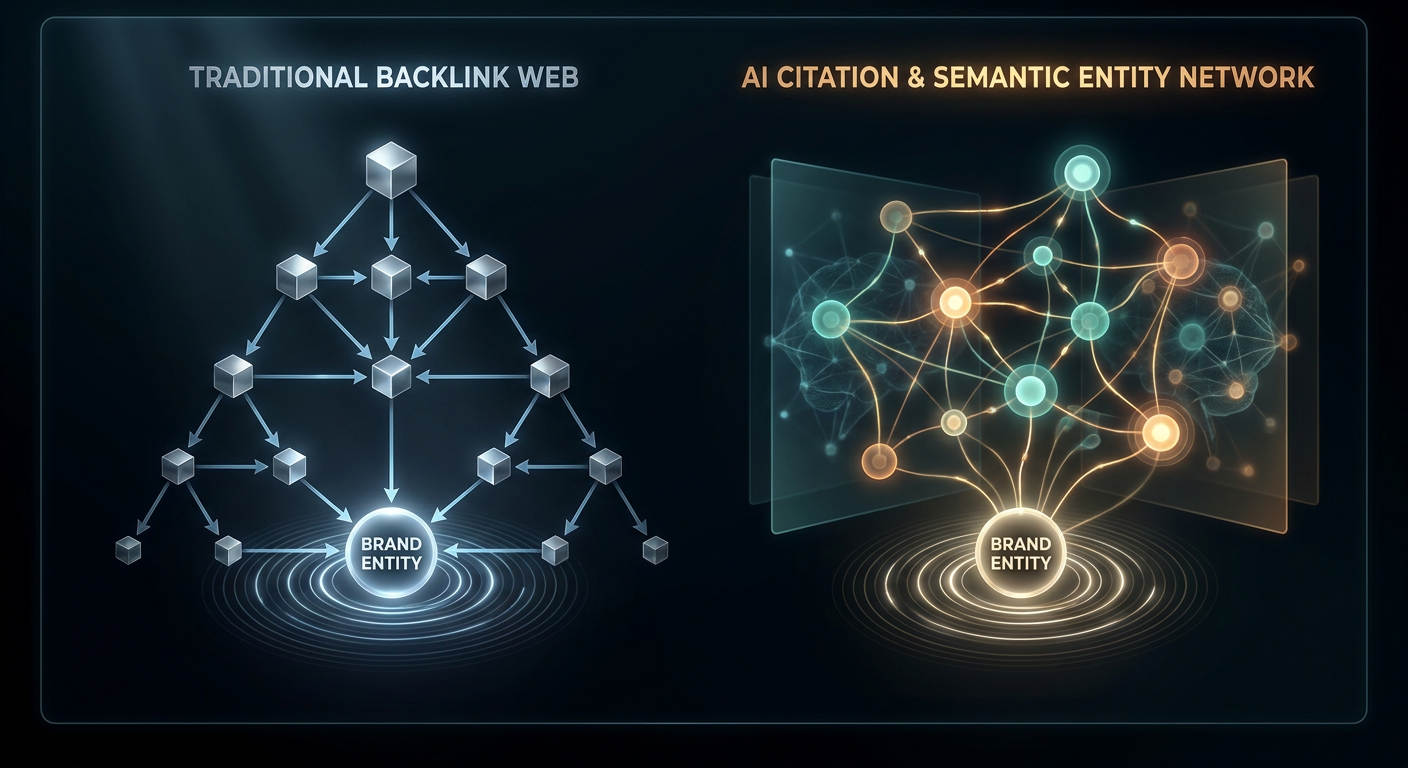
Access and recommendation are different problems
If AI systems can crawl your site but do not recommend it, you have passed the first gate (technical access) but failed a subsequent one. The most common subsequent failures are: unclear entity classification, weak authority consensus, poor extraction structure, and insufficient recommendation signals.
Fixing these issues requires a different approach than the standard technical SEO checklist. Most of the remaining gaps are about how confidently AI systems can classify, trust, and select your brand.
Inconsistent category positioning
The most common reason AI systems do not recommend a technically accessible site is inconsistent positioning. If your homepage describes your product differently from your schema, your LinkedIn profile, your Product Hunt listing, and your category descriptions across external sources, AI systems face an entity resolution conflict.
The resolution of that conflict is usually conservative: the AI system assigns lower confidence to a brand it cannot classify clearly and reduces the probability of surfacing it in recommendations.
Choose one canonical product description and enforce it verbatim across all touchpoints. This is the highest-leverage single change for improving recommendation confidence.
Poor extraction structure
Even a trusted, well-classified site may not be recommended if its content is not structured for extraction. AI systems prefer content that directly answers specific questions, uses FAQ format, includes comparison tables, and makes standalone claims that can be attributed without surrounding context.
Marketing copy heavy with abstract language ("we help you achieve more"), long narrative sections with no headings, and pages that never explicitly state what the product does in a single sentence are all extraction-unfriendly patterns.
AudFlo identifies all three failure types and shows exactly which issues are reducing your recommendation confidence. Free to run.
Common questions
[ Free audit ]
See How Visible Your Site Is to AI Systems
AudFlo runs a 32-layer diagnostic across crawlability, structured data, entity signals, and authority. Free. No signup required.
Recommendation Readiness is whether an AI system has enough evidence to confidently recommend your brand, product, or site. This guide explains what it is, why it differs from visibility, and how to measure it.
Authority Consensus is whether trusted external sources consistently confirm what your site claims to be. This guide explains how AI systems use outside-web signals to validate brand identity and recommendation confidence.
A direct explanation of why ChatGPT, Perplexity, and other AI answer systems do not cite or mention your website, with specific technical causes and how to fix each one.
AI systems do not recommend randomly. They evaluate technical, content, and authority signals to decide which sources to trust and cite. This guide explains the selection logic behind AI recommendations.