Internal Linking
9 articles tagged with Internal Linking
Internal linking is the practice of linking between pages within the same website. For AI visibility, internal linking serves a specific function: it creates the semantic graph that AI crawlers use to discover content and understand topical relationships between pages.
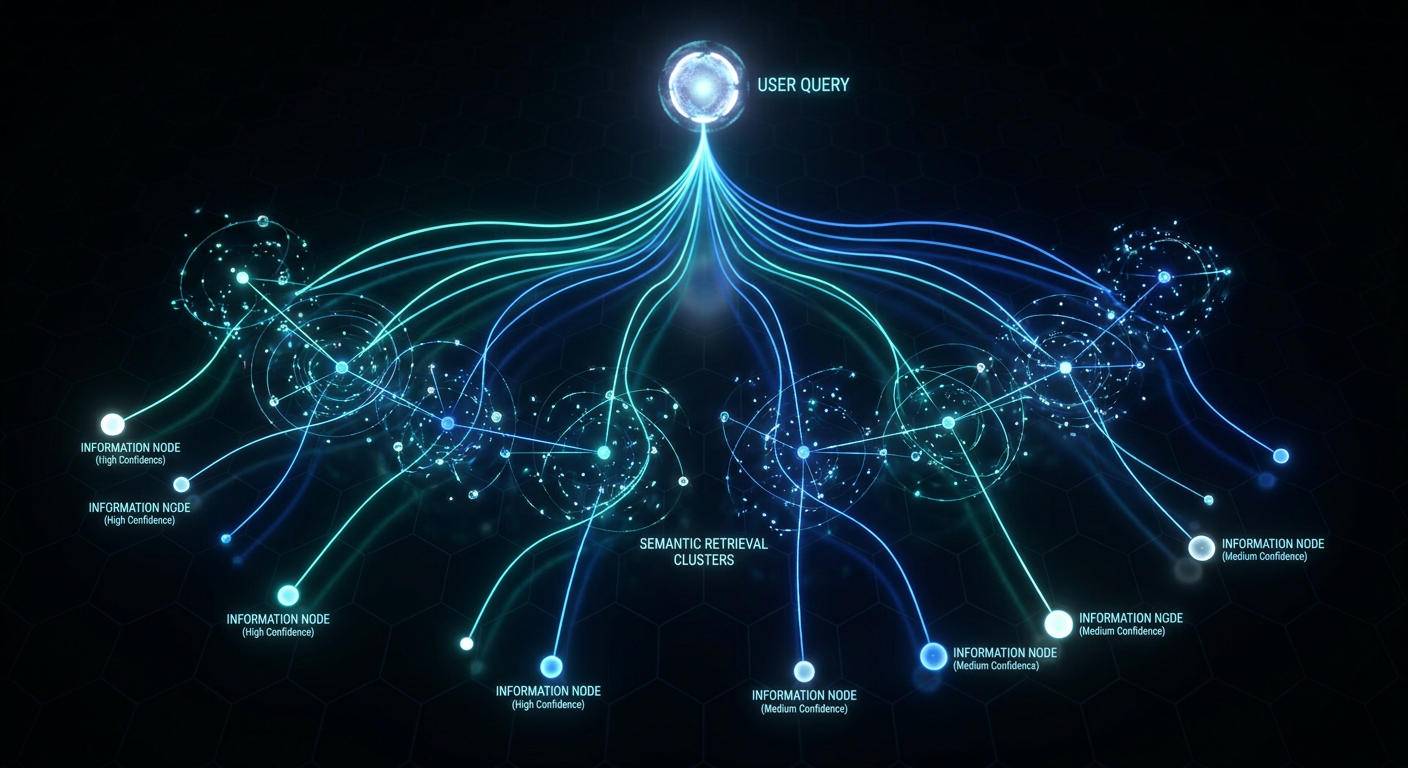
Query Fan Out SEO: How AI Search Expands Questions
When someone asks AI a question, the system does not retrieve one answer. It expands the query into dozens of semantic subqueries simultaneously. Understanding query fan out is foundational to building AI visibility that compounds.

Why Topical Authority Matters More Than Keywords In AI Search
Traditional SEO rewarded pages optimized for a single keyword. AI search rewards brands that demonstrate consistent depth across an entire topic ecosystem. Understanding topical authority is essential for founders building visibility in the AI era.

Why Internal Linking Matters For AI Search And Semantic Retrieval
Most founders treat internal linking as a navigation detail. In modern AI search, it functions as semantic infrastructure. AI systems increasingly read your internal link structure as a map of how topics, entities, and concepts relate to each other.
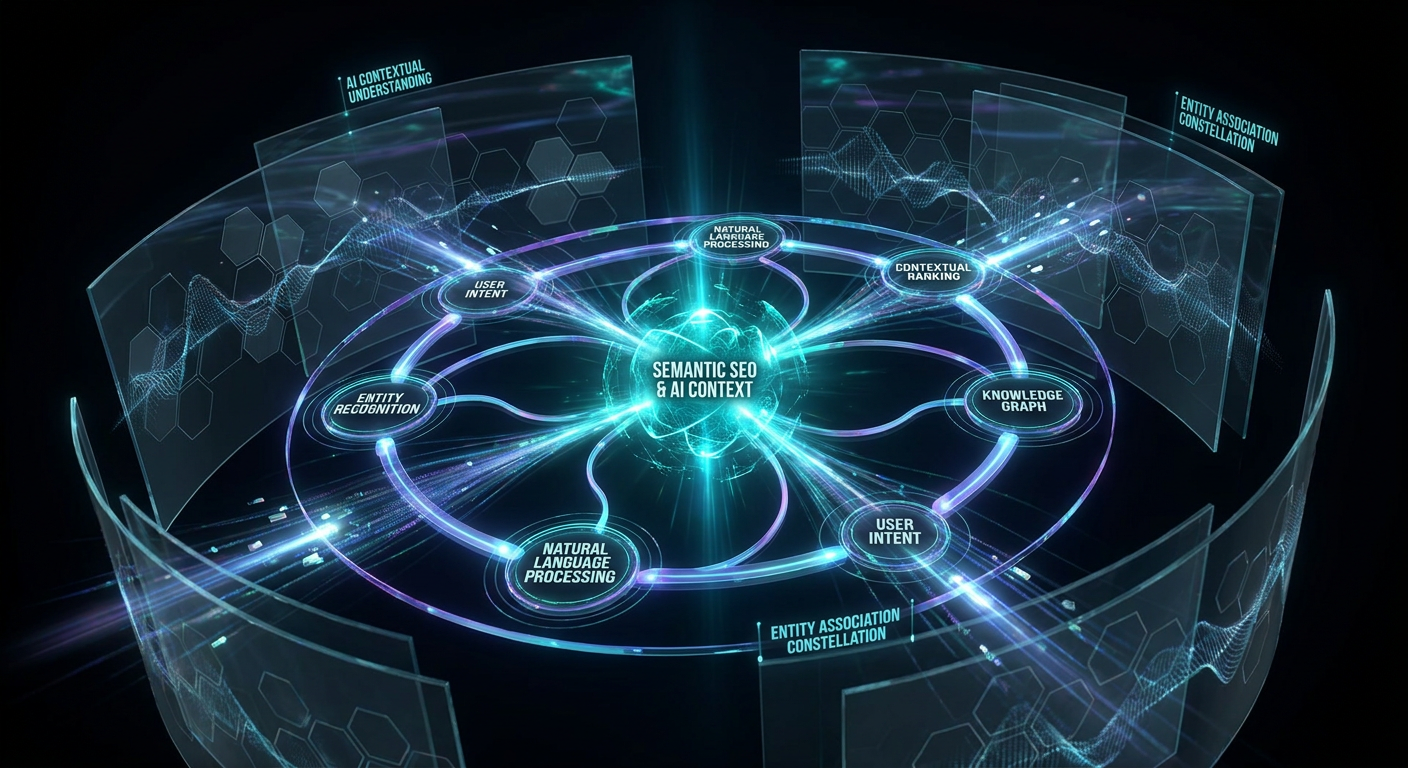
What Is Semantic SEO And Why AI Search Understands Meaning
Traditional SEO optimized for exact keyword matches. AI search evaluates concepts, relationships, and contextual meaning. Understanding semantic SEO is foundational to building AI visibility that compounds over time.
Orphan Pages: Why Disconnected Content Hurts AI Visibility
Many websites quietly damage their AI visibility not through bad content but through isolated content. Orphan pages create semantic dead ends that weaken retrieval confidence across the entire site ecosystem.

Pillar Pages And How They Shape AI Retrieval Systems
Most websites are structurally weak for AI search. Not because the content is bad, but because the architecture lacks semantic hierarchy. Pillar pages create authority hubs that give AI retrieval systems a clear map of what a site knows and how deeply it knows it.

How To Run An AI Visibility Audit For Your Brand
Most founders track rankings, backlinks, and traffic but have no idea how visible their brand actually is inside AI systems. AI visibility audits reveal retrieval gaps, semantic weaknesses, and entity positioning issues that traditional SEO audits never surface.

AI Search Ranking Factors: What Actually Influences Visibility?
Traditional SEO had relatively clear ranking systems. Modern AI visibility behaves differently. AI systems retrieve and synthesize information probabilistically, which means the signals that drive discoverability are changing fundamentally.

The Future Of Search Is AI Discoverability, Not Traditional SEO
The internet is entering a new visibility era. AI systems increasingly retrieve, synthesize, and recommend information dynamically. The question is no longer who ranks highest. It is who gets remembered, retrieved, cited, and recommended by AI systems.
AI crawlers follow links to discover new pages. A page with no internal links pointing to it (an orphan page) is either undiscovered or discovered infrequently, reducing its citation probability. A page that is heavily linked from topically related pages signals to AI systems that it is an important resource within its topic cluster. Internal linking best practices for AI visibility: link from pillar pages to all cluster articles, link from cluster articles back to the pillar, link between closely related cluster articles, and ensure every page has at least 2-3 internal links pointing to it from topically relevant pages.
Common questions
How does internal linking affect AI visibility?
Internal links are the pathways AI crawlers follow to discover and navigate your content. Pages with strong internal link equity from topically related pages are discovered more reliably, understood as more authoritative, and cited more frequently. Orphan pages with no internal links are consistently under-cited regardless of their content quality.
What is the minimum internal linking standard for AI visibility?
Every published page should have at least 2-3 internal links pointing to it from topically related pages. Pillar pages should link to all cluster articles. Cluster articles should link back to the pillar. Related cluster articles should cross-link where the topics are genuinely connected. No page should be discoverable only via the sitemap.
All tags
Related resources