Schema Markup for AI Search: Which Types Matter and How to Use Them
Structured data is one of the highest-impact AEO signals. This guide covers which schema types AI systems use, how to implement them correctly, and the most common schema mistakes.
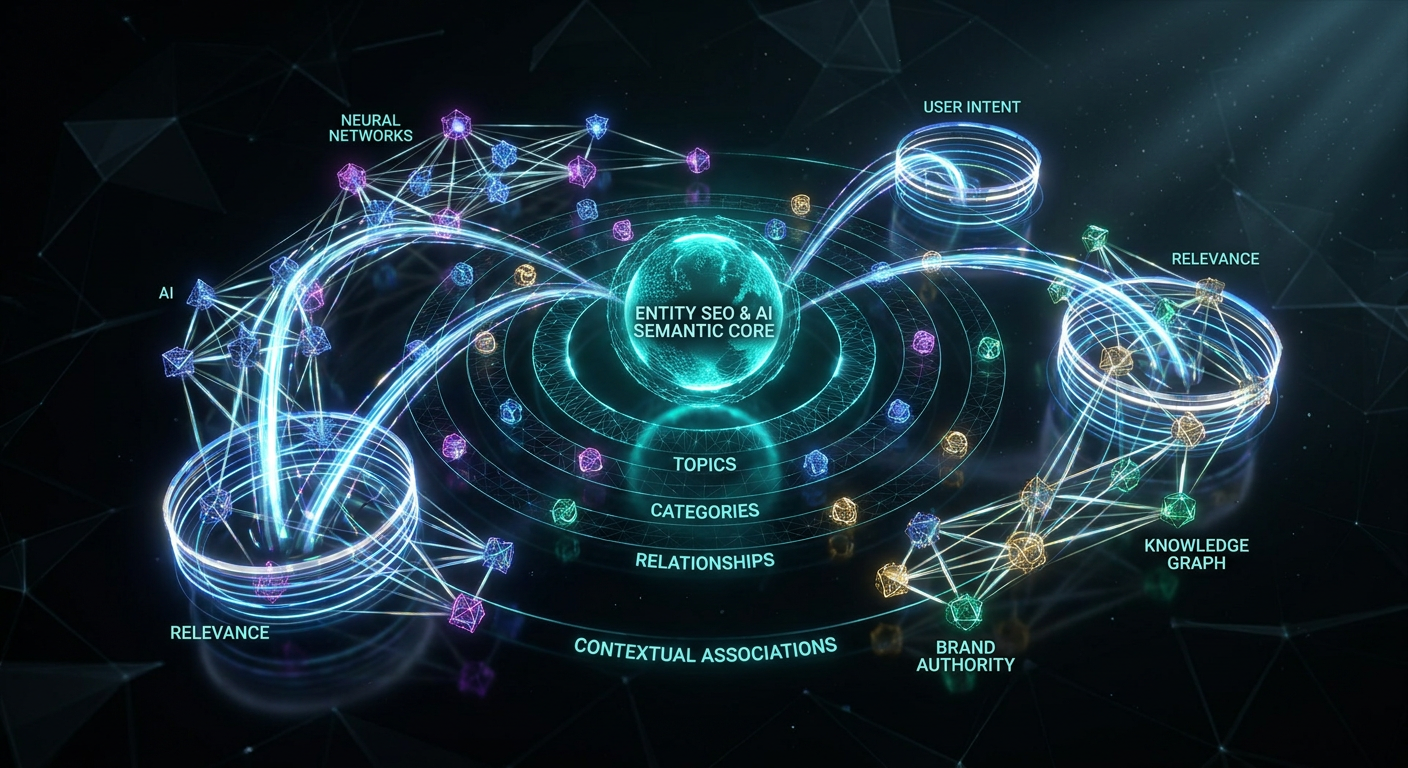
Why structured data matters for AI
Structured data is machine-readable metadata that explicitly tells AI systems what your content is, who created it, and what it contains. Without it, AI systems must infer your content type and entity identity from unstructured text, a process that is less reliable and less complete.
For AI citation specifically, structured data serves two functions: it establishes entity identity (who you are) and it marks extractable content (what you know). Both are required for consistent AI citation.
Priority schema types for AI visibility
| Schema type | Purpose | Where to add | Priority |
|---|---|---|---|
| Organization | Establishes brand as a named entity | Root layout | Critical |
| WebSite | Site-level context and search action | Root layout | Critical |
| FAQPage | Maps Q&A content for extraction | Any page with FAQ content | Very high |
| Article | Marks editorial content with authorship | Blog posts, knowledge pages | High |
| BreadcrumbList | Site structure and navigation context | All non-homepage pages | Medium |
| WebPage | Describes the purpose and content of a page | All pages | High |
| HowTo | Step-by-step instruction content | Pages with how-to content | Medium |
| Person | Author and founder identity | About/founder pages | Medium |
Organization schema in detail
Organization schema is the anchor of your AI entity identity. It tells AI systems your brand name, URL, logo, description, contact information, and social profiles. Critically, the @id property creates a persistent identifier for your organization that other schema types can reference.
The sameAs property is particularly important. It should list your verified social profiles and any authoritative external pages (Crunchbase, LinkedIn company page, Wikipedia if applicable). These create the entity association web that AI knowledge graphs use.
FAQPage schema and AI extraction
FAQPage schema is the most direct path to AI answer extraction. It explicitly marks question-answer pairs that AI systems can retrieve and surface. A page with well-implemented FAQPage schema is essentially presenting a pre-extracted Q&A index to AI systems.
FAQPage schema should only be added to pages where the FAQ content is visibly rendered. Adding it to pages without matching visible content creates a mismatch that search engines flag as an error.
How to implement JSON-LD
All structured data should be implemented as JSON-LD: a script tag with type="application/ld+json" in the page head. JSON-LD is preferred over microdata and RDFa because it is separated from HTML, easier to maintain, and supported by all major AI and search systems.
In Next.js App Router, add JSON-LD to server components using a script tag with dangerouslySetInnerHTML. This ensures the schema is present in the server-rendered HTML, not injected client-side.
Common schema mistakes to avoid
- --Adding FAQPage schema globally in layout.tsx: it appears on every page including blog posts, causing duplicate schema errors in Google Search Console.
- --Using @type: FAQPage on the WebPage schema instead of a separate FAQPage script. These are different schema types with different purposes.
- --Adding schema only on the client side via useEffect. AI crawlers will not see it.
- --Invalid JSON in the script tag. A single syntax error silently breaks all schema parsing.
- --Duplicate FAQPage scripts on a single URL. Each schema type should appear at most once per page.
- --Missing required properties. Organization requires at minimum name, url, and @id.
Common questions
[ From the Blog ]
Explore related articles
[ Free audit ]
See How Visible Your Site Is to AI Systems
AudFlo runs a 32-layer diagnostic across crawlability, structured data, entity signals, and authority. Free. No signup required.
A complete explanation of Answer Engine Optimization: what it is, why it matters in 2025, and how it differs from traditional SEO for AI-powered search systems.
A detailed comparison of Search Engine Optimization and Answer Engine Optimization. Understand the different signals, goals, and optimization strategies for each system.
Sites built with AI coding tools often ship with invisible SEO and AI visibility gaps. This guide covers the specific issues AI-generated sites have and how to fix them.
A practical, step-by-step guide to increasing the probability of your website being cited by ChatGPT, Perplexity, Google AI Overviews, and other AI answer systems.