How to Get Your Site Cited by ChatGPT and Other AI Systems
A practical, step-by-step guide to increasing the probability of your website being cited by ChatGPT, Perplexity, Google AI Overviews, and other AI answer systems.
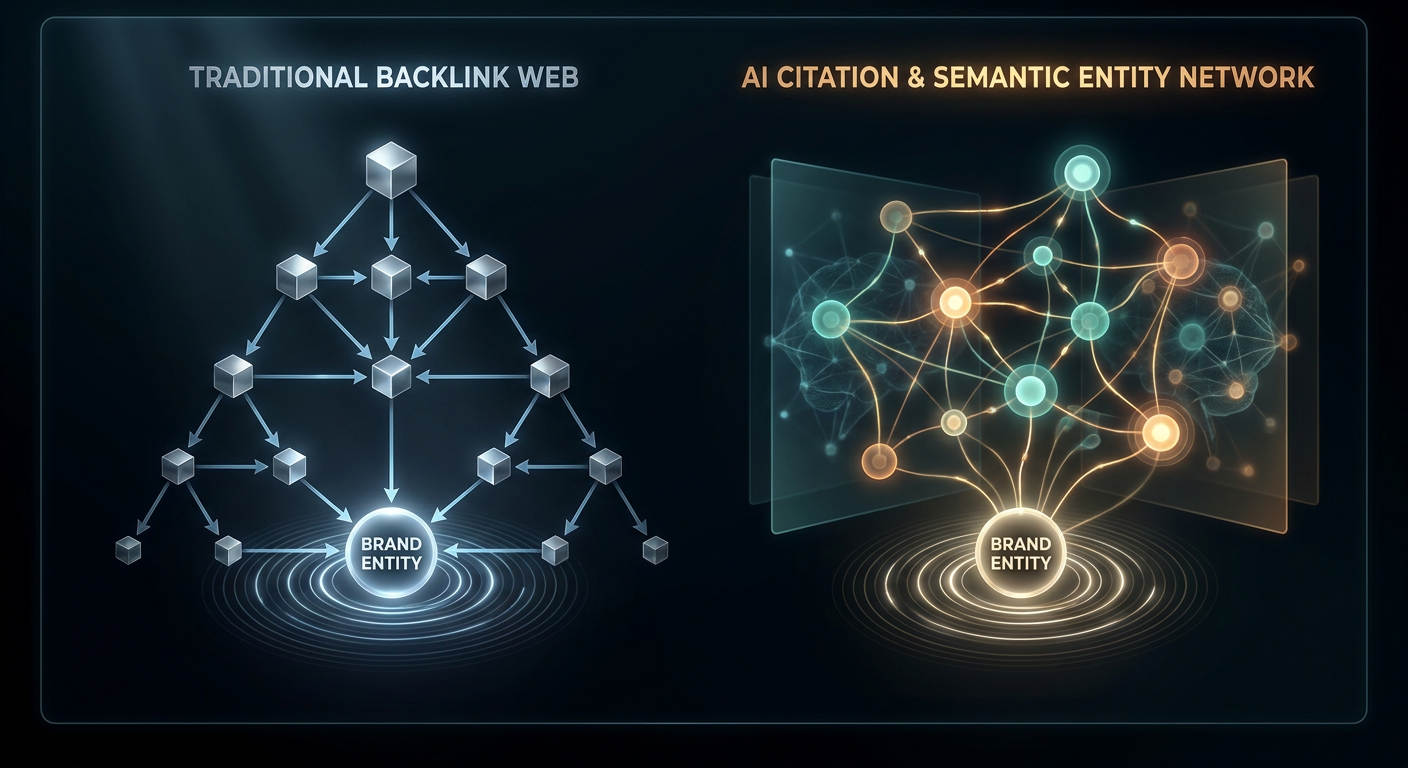
What getting cited actually means
Being cited by ChatGPT means your site appears as an attributed source in an AI-generated answer. For base ChatGPT, this means your content was used as training data and attributed in a response. For ChatGPT Browse, Perplexity, and Google AI Overviews, this means your live page was retrieved and used as context for a real-time answer.
The path to getting cited is not a single action. It is a cumulative set of technical and content improvements that raise your citation probability across all AI systems.
Step 1: Make your site crawlable
Before any other optimization, your site must be accessible to AI crawlers. Check your robots.txt for blocks on GPTBot, PerplexityBot, and Anthropic-AI (Claude's crawler). Ensure your homepage and key pages return 200 status codes. Confirm your sitemap is accessible and valid.
A site that is blocked or returning errors cannot be indexed, and cannot be cited. This is the baseline.
Step 2: Fix your rendering
If your site uses client-side rendering, your content is invisible to AI crawlers. Move critical content (your homepage headline, your service description, your blog content, your FAQ sections) into server-rendered HTML. This is the highest-impact technical change for AI visibility.
For Next.js sites, ensure content pages use server components. For Vite SPAs, consider migrating to Next.js or enabling SSR for key pages.
Step 3: Add structured data
Add the minimum structured data set: Organization in your root layout, WebSite in your root layout, FAQPage on pages with FAQ content, and Article on blog posts and knowledge pages. This creates the machine-readable signals AI systems use to understand and trust your content.
Each schema type should appear once per page. FAQPage should only appear on pages where FAQ content is visibly rendered. Avoid adding schema globally in layouts where it will appear on pages that do not have matching content.
Step 4: Define your entity clearly
Create a clear, crawlable definition of your brand on your homepage and about page. Include: what your company does in one sentence, what category or industry you belong to, who the founders are, and what problem you solve. This content, combined with Organization schema, establishes you as a named entity in AI knowledge graphs.
Consistency matters. Your brand name, URL, and description should be identical in your schema, your page content, your social profiles, and any external mentions. Inconsistency creates entity ambiguity that AI systems resolve by reducing trust weight.
Step 5: Structure content for extraction
Rewrite key content sections as explicit question-and-answer pairs. Add FAQ sections to important pages. Use numbered lists for processes. Use comparison tables for alternatives. Use definition sections for industry terms.
These formats map directly to how AI systems extract and cite content. Narrative-only prose is harder to extract from and less likely to be cited than content that explicitly addresses a specific question.
Step 6: Build authority signals
AI systems weight sources by authority. Build verifiable external mentions: submit to relevant directories, get listed on Product Hunt, pitch product journalists, earn coverage on credible blogs in your category. Each external mention adds to the trust signal chain that AI systems use to evaluate source credibility.
Internal authority signals also matter: authorship attribution on content, consistent publication dates, About pages that identify authors with credentials, and structured Person schema for content creators.
Step 7: Maintain and monitor
AI citation is not a one-time achievement. It is an ongoing probability that requires maintenance. Re-audit your site periodically to catch regressions. Update stale content with current dates and accurate information. Monitor whether new pages are being crawled by checking server logs for AI crawler user-agent strings.
As AI systems update their models and crawlers, the optimization requirements evolve. Staying current with AEO best practices ensures your site remains competitive as the AI search landscape matures.
AudFlo runs a full 32-layer audit on your live site and shows exactly which steps in this process you have completed and which remain. Free to run. No signup required.
Common questions
[ From the Blog ]
Explore related articles
[ Free audit ]
See How Visible Your Site Is to AI Systems
AudFlo runs a 32-layer diagnostic across crawlability, structured data, entity signals, and authority. Free. No signup required.
A complete explanation of Answer Engine Optimization: what it is, why it matters in 2025, and how it differs from traditional SEO for AI-powered search systems.
Structured data is one of the highest-impact AEO signals. This guide covers which schema types AI systems use, how to implement them correctly, and the most common schema mistakes.
A direct explanation of why ChatGPT, Perplexity, and other AI answer systems do not cite or mention your website, with specific technical causes and how to fix each one.
A complete technical explanation of how AI search systems like ChatGPT, Perplexity, and Google AI Overviews find, evaluate, and cite web content.