Query Fan Out
How AI systems decompose a single user query into multiple sub-queries and how your content can be positioned to answer across that full query graph.
Query fan-out is the process by which AI search systems decompose a single user query into multiple sub-queries, each targeting a different aspect of the original question. Understanding this process reveals why topical breadth matters as much as topical depth for AI citation.
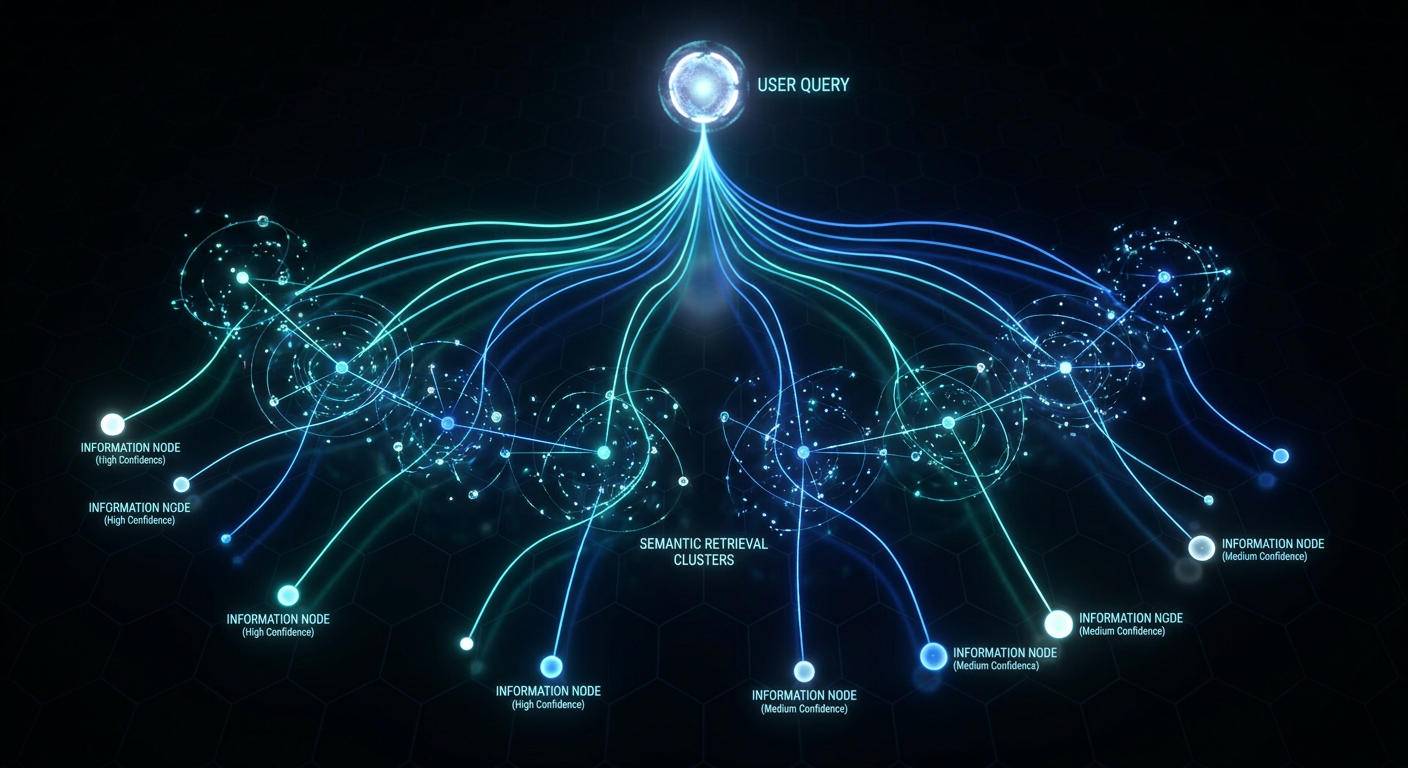
Query Fan Out SEO: How AI Search Expands Questions
When someone asks AI a question, the system does not retrieve one answer. It expands the query into dozens of semantic subqueries simultaneously. Understanding query fan out is foundational to building AI visibility that compounds.

Why Topical Authority Matters More Than Keywords In AI Search
Traditional SEO rewarded pages optimized for a single keyword. AI search rewards brands that demonstrate consistent depth across an entire topic ecosystem. Understanding topical authority is essential for founders building visibility in the AI era.

Why Internal Linking Matters For AI Search And Semantic Retrieval
Most founders treat internal linking as a navigation detail. In modern AI search, it functions as semantic infrastructure. AI systems increasingly read your internal link structure as a map of how topics, entities, and concepts relate to each other.

What Is Semantic SEO And Why AI Search Understands Meaning
Traditional SEO optimized for exact keyword matches. AI search evaluates concepts, relationships, and contextual meaning. Understanding semantic SEO is foundational to building AI visibility that compounds over time.
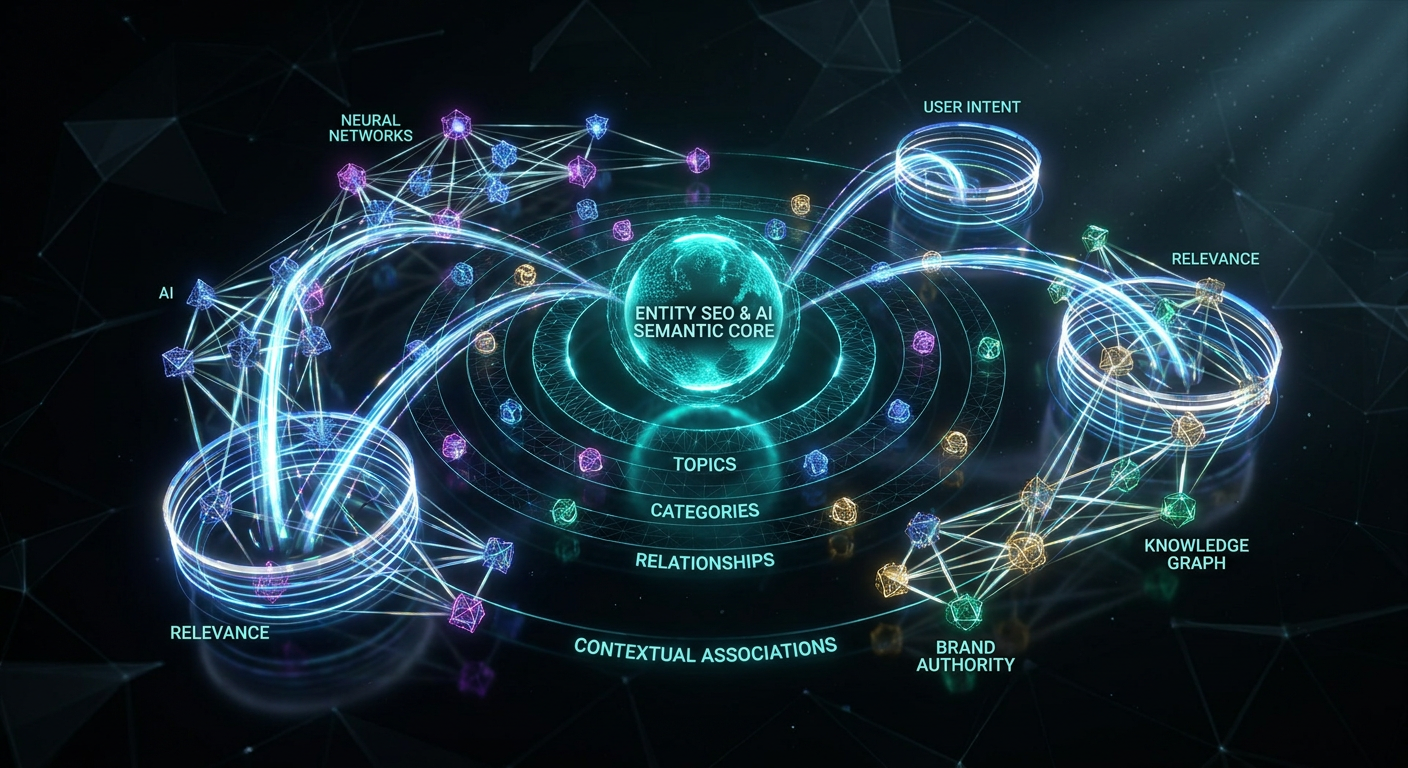
Entity SEO: How AI Search Builds Brand Associations
Traditional SEO focused on ranking pages. AI search increasingly evaluates entities: brands, products, people, and their semantic relationships across the internet. Understanding entity SEO is essential for building lasting AI visibility.
Orphan Pages: Why Disconnected Content Hurts AI Visibility
Many websites quietly damage their AI visibility not through bad content but through isolated content. Orphan pages create semantic dead ends that weaken retrieval confidence across the entire site ecosystem.
When a user asks "what is the best CRM for a small business?", an AI system does not retrieve a single answer. It fans out into sub-queries: what are small business CRM features, how do CRMs compare on pricing, what are the limitations of popular CRMs, what do users say about integrations, and more. Each sub-query is answered independently and then synthesized.
Content that covers only the top-level question will appear in fewer fan-out sub-queries than content that covers the question from multiple angles. A site with a single comprehensive article on CRMs will underperform against a site with an interconnected cluster of articles covering different aspects, each of which can be independently retrieved and cited.
The strategic implication for content architecture is significant. Building content clusters around a pillar topic, with each cluster article answering a specific sub-question, positions your site to be retrieved across the full fan-out graph of queries in your topic area. This is why pillar-cluster architecture and internal linking patterns directly affect AI visibility scores.
Common questions
What is query fan-out in AI search?
Query fan-out is the process by which AI search systems decompose a single user query into multiple sub-queries. Each sub-query targets a different angle of the original question. The AI retrieves answers to each sub-query independently and then synthesizes a combined response. Sites that answer multiple sub-queries are cited more frequently than sites that answer only the top-level question.
How does query fan-out affect content strategy?
Query fan-out means that content breadth within a topic is as important as content depth on a single page. A site with a content cluster covering many angles of a topic will appear in more sub-query retrievals than a site with a single long article. Pillar-cluster architecture is designed to maximize coverage across query fan-out graphs.
Can I see which sub-queries my content is ranking for?
AI search systems do not expose sub-query decomposition directly. However, you can infer query fan-out patterns by analyzing the range of queries that lead to AI citations for a topic area. Tools that test AI citations across multiple query variants can help identify gaps in sub-query coverage.
Related resources